Introduction
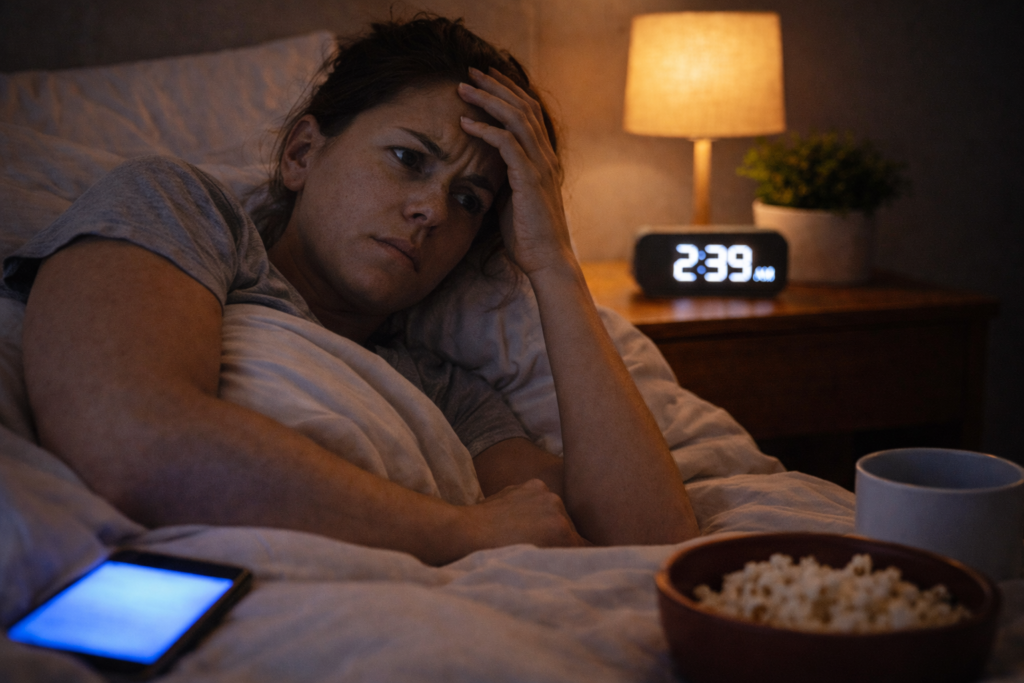
Sleep is one of the most essential functions of the human body, yet millions of people struggle to get enough quality rest each night. Many individuals go to bed feeling exhausted, only to lie awake for hours or wake up during the night without being able to fall back asleep.
In many cases, poor sleep is not caused by a single issue. It is usually the result of multiple small habits and environmental factors that gradually reduce sleep quality over time. Understanding these causes is the first step toward improving sleep.
Irregular Sleep Schedule
Your body operates on a natural 24-hour cycle known as the circadian rhythm. This system regulates when you feel awake and when you feel sleepy.
When you go to bed and wake up at different times each day, your body struggles to maintain a stable rhythm. This inconsistency can make it harder to fall asleep and reduce the quality of your rest.
Maintaining a consistent sleep schedule can help your body function more efficiently and improve overall sleep quality.
Excessive Screen Time Before Bed
Electronic devices emit blue light, which can interfere with the production of melatonin. This hormone plays a key role in signaling your body that it is time to sleep.
Using devices before bed can also keep your mind active and alert. This makes it more difficult to relax and transition into sleep.
Reducing screen time in the evening can support better sleep.
Stress and Overthinking
Stress is one of the leading causes of sleep problems. When your mind is active and filled with thoughts, it becomes difficult to relax.
This can delay sleep and lead to frequent awakenings during the night. Managing stress through simple techniques can help improve both sleep quality and mental well-being.
Poor Sleep Environment
Your sleep environment has a direct impact on your ability to rest. Factors such as light, temperature, and noise all influence sleep quality.
A bright, warm, or noisy environment can prevent your body from entering deeper stages of sleep.
Creating a dark, quiet, and comfortable space can significantly improve rest.
Unhealthy Evening Habits
Certain habits in the evening can disrupt sleep. Caffeine, heavy meals, and stimulating activities can all make it harder to fall asleep.
Making small adjustments, such as avoiding caffeine late in the day and keeping meals light in the evening, can improve sleep quality.
Lack of Physical Activity
Regular physical activity helps regulate energy levels and supports deeper sleep.
A lack of movement during the day can make it harder for your body to feel naturally tired at night.
Incorporating moderate exercise into your routine can improve both sleep and overall health.
Additional Factors to Consider
Other factors such as hydration, irregular eating patterns, and excessive napping can also affect sleep quality.
Drinking enough water throughout the day, maintaining consistent meal times, and limiting naps can support better sleep.
How to Improve Your Sleep
Improving sleep does not require major changes. Start by focusing on one or two areas that may be affecting your rest.
Maintaining a consistent schedule, reducing screen time, and creating a comfortable environment are effective starting points.
Small, consistent changes can lead to noticeable improvements over time.
Conclusion
Poor sleep is often caused by a combination of factors rather than a single issue. By understanding these causes and making gradual improvements, you can enhance your sleep quality and overall well-being.
Better sleep supports improved focus, mood, and physical health. It is one of the most important aspects of a healthy lifestyle.